


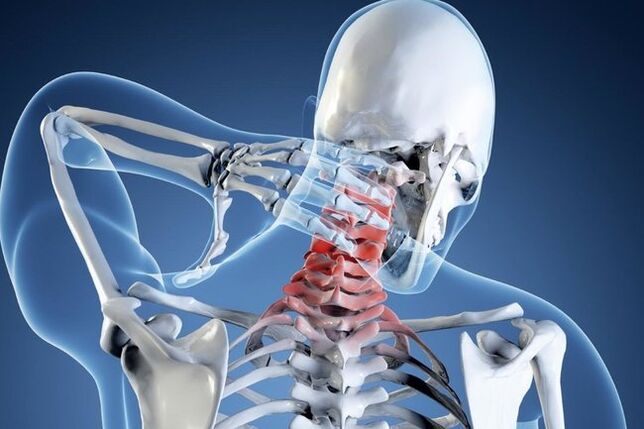
Osteochondrosis is a complex of pathological anatomical and functional disorders associated with degenerative changes in the intervertebral discs.This condition develops slowly and with timely intervention good results can be achieved with simple conservative measures.
Causes and symptoms of osteochondrosis of the cervical vertebrae
The vertebrae of the cervical vertebrae experience increased stress associated with the mobility of the neck and head.The anatomy of this segment contributes to the risk of displacement of the vertebrae during sudden or atypical movements of the head, and the weak muscle corset does not protect the spine from damage. The causes of osteochondrosis of the cervical vertebrae are not fully understood, and in most cases it is asymptomatic.This leads to the fact that most patients seek medical help quite late.The development of osteochondrosis is caused by:
- bad posture, instability of spinal structures;
- trauma, connective tissue dysplasia;
- genetic predisposition;
- sedentary work or a long time in a forced position, lack of sufficient physical activity;
- unbalanced diet, lack of vitamins and trace elements in the diet.
Degenerative changes in ligaments and cartilage cause compression of arteries and nerve trunks, causing cerebrovascular accidents and pain.The characteristic symptoms of this condition are easy to recognize.
- Painful sensations in the back of the head, neck, shoulders.When you tilt or turn your head, you can hear a characteristic crunching sound.The stabbing pain may radiate to the chest, and a burning sensation is felt between the shoulder blades.
- Feeling of loss of energy, insomnia, chronic fatigue and frequent headaches.With cervical osteochondrosis, the headache is concentrated in the occipital region and radiates to the sides of the neck.
- When you tilt your head, you may feel numbness in your hands and fingers.
- Chest pain, nausea, dizziness.
Methods of diagnosis and treatment of osteochondrosis of the cervical vertebrae
The diagnosis is made by an orthopedist or neurologist based on an examination, X-ray or computer tomography of the spine.If an intervertebral hernia is suspected, an MRI will be necessary, and for the assessment of functional circulatory disorders - rheoencephalography and fundus examination.
Conservative therapy includes symptomatic measures (pain relief, anti-inflammatory therapy, antispasmodics), as well as restoration of natural cartilage tissue with the help of drugs.Acupressure massage, physical therapy and therapeutic gymnastics are also effective.
Prevention of osteochondrosis of the cervical vertebrae
Regular physical activity and exercises to strengthen the muscle corset of the back effectively maintain the normal condition of the spinal structures.Daily gymnastics and monitoring the position of the neck and back during the working day help to normalize blood circulation and relieve excess stress on individual segments of the spine.
It is also necessary to monitor the variety of your diet and prevent excess weight.The course of massage, which should be repeated 2-3 times a year, helps to activate metabolic processes and eliminate muscle spasms.